

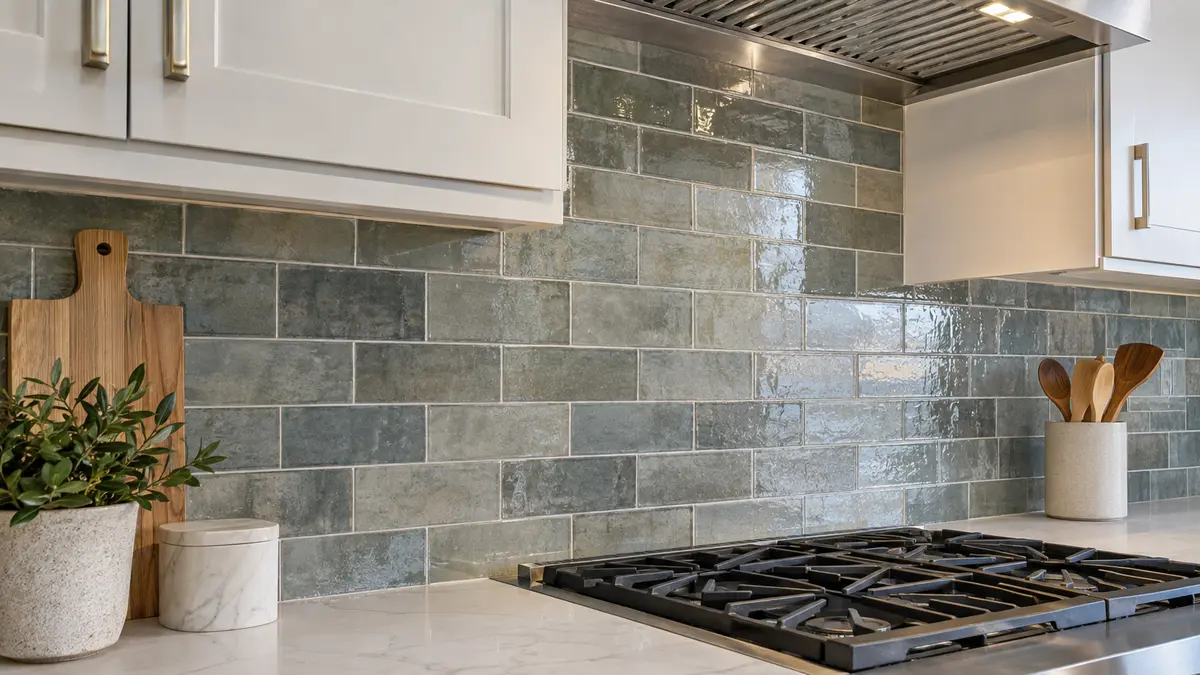
A kitchen backsplash protects your walls from splashes, grease, and moisture, and it also gives the room much of its character. The right tile can make a dated kitchen feel current or add texture to a simple design. Because a backsplash is so visible, the quality of the work matters as much as the tile. This guide covers popular tile options, the factors that affect cost, and practical tips for a successful kitchen backsplash installation.
Why Your Backsplash Deserves Careful Planning
Many homeowners treat the backsplash as a finishing touch, but it does real work. The area behind your sink and range takes daily exposure to water, heat, and food splatter. A well-chosen, well-installed backsplash cleans easily, resists stains, and protects the drywall behind it. A poorly installed one can crack, loosen, or let moisture through, which leads to costly repairs.
Popular Tile Options for Kitchen Backsplashes
Each material has its own look, maintenance needs, and price. Here are the most common choices.
Ceramic Tile
Ceramic is one of the most popular backsplash materials. It is affordable, widely available, and comes in nearly every color, shape, and finish. Classic subway tile is usually ceramic and suits both traditional and modern kitchens. Glazed ceramic resists stains and wipes clean easily.
Porcelain Tile
Porcelain is denser and less porous than standard ceramic, so it is more durable and moisture-resistant. Many porcelain tiles closely mimic natural stone, marble, or wood without the same upkeep. It is a strong choice for busy kitchens.
Glass Tile
Glass tile reflects light, which can make a small kitchen feel brighter and larger. It resists stains and is easy to clean. However, glass is less forgiving to install. Imperfections in the wall or adhesive can show through translucent tiles, so experienced installation is especially important.
Natural Stone
Marble, travertine, slate, and granite add an elegant, one-of-a-kind look. Each piece has unique veining and color variation. Natural stone is porous, though, and needs periodic sealing to resist staining from oils, wine, and acidic foods.
Mosaic and Specialty Tile
Mosaic sheets, patterned cement-look tile, and handmade zellige-style tiles create bold focal points. These options can be more time-consuming to install because of intricate layouts, smaller pieces, or irregular edges.
What Affects Kitchen Backsplash Installation Costs
Every project is different, so the most reliable way to understand your budget is to get a quote for your specific kitchen. Several factors have the biggest influence on the final price:
- Square footage: A larger area means more material and more labor time.
- Tile material: Basic ceramic usually costs less than glass, natural stone, or handmade tile.
- Tile size and pattern: Small mosaics, herringbone, chevron, and other detailed layouts take more cutting and setting time than standard straight-lay patterns.
- Wall preparation: Removing an old backsplash, repairing damaged drywall, or leveling uneven surfaces adds to the scope of work.
- Cuts and obstacles: Outlets, switches, windows, and range hoods require careful cuts that increase labor.
- Finishing details: Edge trim, grout type, and sealing for natural stone all affect cost.
When comparing options, think about long-term value as well as upfront cost. A durable, low-maintenance tile may save money and effort over the years.
Pro Tips for a Successful Backsplash Project
Whether you are just exploring ideas or ready to begin, these tips can help you get a better result.
- Choose tile with your countertops in mind. Bring a sample of your countertop or cabinet finish when selecting tile so colors and patterns work together.
- Order extra material. Plan for about 10 to 15 percent extra to account for cuts, breakage, and future repairs. Tile from a different batch may not match exactly.
- Prepare the surface properly. Tile needs a clean, flat, and sound wall. Skipping preparation is one of the most common causes of cracked or loose tile.
- Plan the layout before setting tile. A dry layout helps center the pattern on focal points like the range or sink and avoids thin slivers at the edges.
- Select the right grout. Darker or stain-resistant grout can hide everyday wear better in high-use areas. Grout color also changes the overall look, so test it against your tile.
- Finish the edges cleanly. Metal trim, bullnose pieces, or a planned stopping point give the backsplash a polished, intentional appearance.
- Seal when needed. Natural stone and some grouts need sealing to resist stains and moisture. Ask about maintenance before you choose a material.
DIY or Professional Installation?
A simple backsplash can be a manageable DIY project for experienced homeowners. Still, many projects involve wall repairs, complex patterns, glass or stone tile, or tricky cuts around outlets and fixtures. In those cases, professional installation helps ensure clean lines, proper adhesion, and a finish that holds up to daily kitchen use.
Bring Your Kitchen Backsplash Vision to Life
A new backsplash is one of the most effective ways to refresh your kitchen and protect your walls at the same time. By choosing the right tile, understanding what drives cost, and focusing on careful preparation, you can enjoy a backsplash that looks great for years. If you are planning a kitchen backsplash installation, Lopez Chavarria Construction is ready to talk through your ideas. Contact us today to discuss your project and request an estimate.

No comment