

The Art of Silence: How to Soundproof a Wall in Your Home
In today’s world, our homes have become multifunctional spaces. They serve as offices, schools, home theaters, and sanctuaries for rest. With everyone spending more time indoors, the need for privacy and quiet has never been greater. Whether you are dealing with a noisy home office, a drum-playing teenager, or simply want to create a more peaceful bedroom, understanding how to soundproof a wall is a game-changer for your living environment. At Lopez Chavarria Construction, we believe that a well-built home shouldn’t just look beautiful; it should also provide comfort. Soundproofing is an investment in your quality of life. In this guide, we will break down the practical steps to achieving a quieter room and explain why professional execution makes all the difference.Understanding Sound Transmission: The Basics
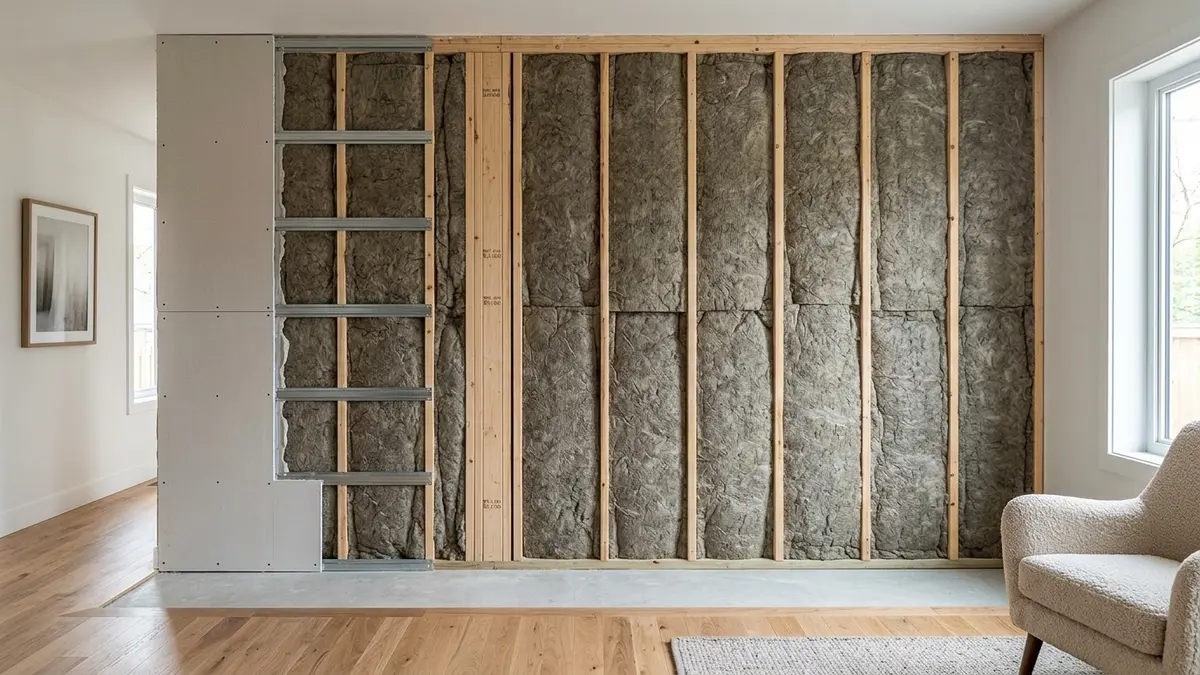
Before diving into construction, it is important to understand what you are actually trying to stop. Sound travels in two ways: airborne noise (voices, music) and structure-borne noise (footsteps, vibrations). Effective soundproofing involves two key principles: Mass and Decoupling.- Mass: Heavy materials make it harder for sound waves to vibrate through a wall.
- Decoupling: This is the process of physically separating the two sides of a wall so that sound vibrations cannot travel from one room to the next.

No comment