

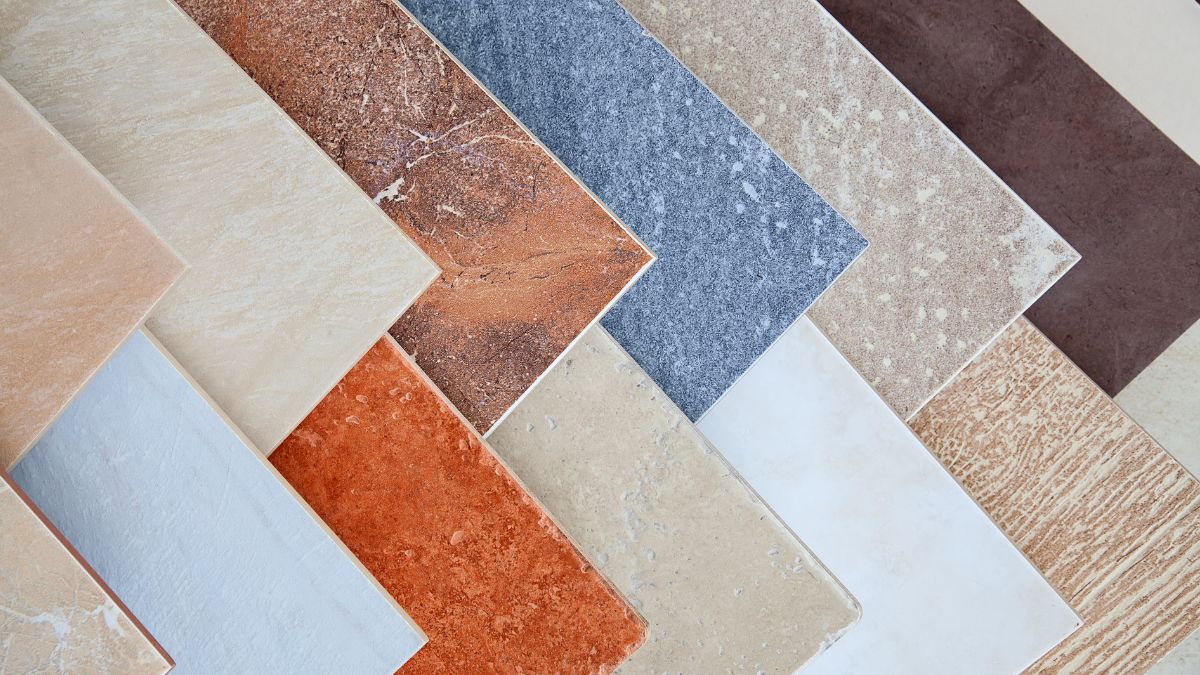
Choosing the Right Tile: Porcelain vs. Ceramic for Your Next Renovation
When planning a kitchen or bathroom remodel, one of the most significant decisions you will make is selecting the flooring and wall materials. Tiles are a staple for these spaces because of their water resistance and aesthetic appeal, but not all tiles are created equal. Homeowners often find themselves weighing porcelain vs. ceramic tile, unsure of which material will best handle the daily wear and tear of a busy household.
At Lopez Chavarria Construction, we believe that your home’s surfaces should be as durable as they are beautiful. Whether you are looking for a sleek kitchen backsplash installation or searching for the most durable bathroom flooring to withstand moisture and foot traffic, understanding the technical differences between these two materials is the first step toward a successful project.
The Core Differences
While porcelain and ceramic tile are both made from clay-based materials and fired in kilns, their composition and manufacturing processes result in different performance characteristics.
What is Ceramic Tile?
Ceramic tile is typically made from a mixture of clays and minerals, then fired at lower temperatures than porcelain. This results in a tile that is slightly softer and more porous. Ceramic is highly versatile, budget-friendly, and comes in an endless array of colors and patterns, making it a favorite for wall applications and decorative accents.
What is Porcelain Tile?
Porcelain tile is a sub-category of ceramic, but it is manufactured using more refined clays and fired at significantly higher temperatures. This process creates a dense, hard, and moisture-resistant product. Because of its density, porcelain is often colored throughout the body, meaning that a chip in the surface is less noticeable than it would be on a traditional ceramic tile.
Why Porcelain Wins in High-Traffic Areas
If you are renovating a kitchen or bathroom that sees constant activity, the longevity of your materials is paramount. We generally recommend porcelain for these high-impact zones for several key reasons:
- Superior Durability: Because it is fired at higher temperatures, porcelain is denser and more resistant to scratching and chipping. It handles the heavy foot traffic of a kitchen far better than standard ceramic.
- Moisture Resistance: Porcelain has a very low water absorption rate—typically less than 0.5%. This makes it an ideal choice for durable bathroom flooring where humidity and spills are common.
- Low Maintenance: Due to its dense nature, porcelain is less susceptible to staining, making it easier to clean in high-mess areas like your cooking space.
While ceramic is an excellent, cost-effective choice for walls and areas with lighter traffic, porcelain provides the peace of mind that comes with a “set it and forget it” installation in your most-used rooms.
Selecting the Right Tile for Kitchens & Baths
Choosing between porcelain vs. ceramic tile often comes down to the specific location of the installation. Our team of experts at Lopez Chavarria Construction evaluates every project based on the following criteria:
The Kitchen Backsplash
For a kitchen backsplash installation, you have more creative freedom. Since the backsplash is not subjected to foot traffic or heavy weight, you can prioritize aesthetics. If you fall in love with a specific ceramic pattern or handmade look, it is perfectly safe to use there. The goal is to choose a material that is easy to wipe down and complements your cabinetry and countertop selections.
Bathroom and Kitchen Flooring
When it comes to floors, we almost always steer our clients toward porcelain. Whether you are opting for the trendy wood-look porcelain plank or a classic stone finish, porcelain stands up to the cleaning agents, heavy foot traffic, and potential water leaks that bathroom floors encounter. Partnering with a professional tile installation contractor ensures that your porcelain is set correctly, with the proper subfloor preparation and grout selection to prevent cracking and water seepage.
Conclusion
Your home is an investment, and the materials you choose for your kitchen and bath should protect that investment while elevating your lifestyle. While ceramic tiles are fantastic for decorative walls and light-traffic areas, porcelain remains the gold standard for long-term durability in kitchens and bathrooms.
Are you ready to transform your space with professional tile work? At Lopez Chavarria Construction, we specialize in high-quality kitchen and bathroom renovations that stand the test of time. From complex custom designs to standard floor installations, our experienced team ensures your project is completed with precision and care. Contact Lopez Chavarria Construction today to schedule a consultation and let our professional tile installation contractor team guide you through the process of creating the home of your dreams.




No comment