
Brick, stone, and mortar are built to last, but they are not indestructible. Over time, moisture, temperature swings, settlement, and everyday wear can weaken even the strongest masonry surfaces. In New Jersey especially, freeze-thaw cycles can turn a small crack into a much bigger problem if it is ignored for too long.
At Lopez Chavarria Construction, we help homeowners spot masonry issues early and repair them before they affect safety, curb appeal, or long-term property value. Here are seven common signs that your brick and stonework may need professional attention.
1. Cracks Keep Getting Bigger
Hairline cracks are not always an emergency, but they should never be ignored when they start to widen, spread, or reappear after patching. Expanding cracks can point to movement in the structure, settling, or water infiltration behind the surface.
If you notice stair-step cracks in brick walls, long vertical cracks, or cracks around windows, doors, or chimneys, it is time to have the area inspected. A professional can determine whether the issue is cosmetic or a sign of deeper structural stress.
2. Mortar Joints Are Crumbling or Missing
Mortar is what holds brick and stone together, so when it begins to erode, the entire assembly becomes more vulnerable. You may notice sandy debris near the wall, gaps between bricks, or mortar that flakes away when touched.
This is one of the clearest signs that repointing may be needed. Replacing deteriorated mortar at the right time helps restore strength, improve water resistance, and extend the life of the masonry.
3. Bricks or Stones Look Loose, Bulging, or Out of Line
A wall, step, or veneer should look stable and uniform. If part of the masonry begins to bow outward, lean, or separate from the surface behind it, the issue should be addressed quickly. Bulging masonry can happen when moisture gets trapped, when anchors fail, or when long-term pressure builds up behind the wall.
This is not the kind of problem to cover up with caulk or paint. When masonry shifts out of plane, professional repair is usually the safest and most durable solution.
4. White Stains or Persistent Moisture Appear on the Surface
That chalky white residue you sometimes see on brick or stone is called efflorescence. It forms when water moves through masonry and leaves salt deposits behind. While the stain itself is not usually dangerous, it is a strong clue that excess moisture is present.
If the wall stays damp, the mortar weakens, interior materials can be affected, and freeze-thaw damage becomes more likely. Addressing the source of the moisture is just as important as repairing the visible damage.
5. Steps, Walkways, or Patios Feel Uneven or Unstable
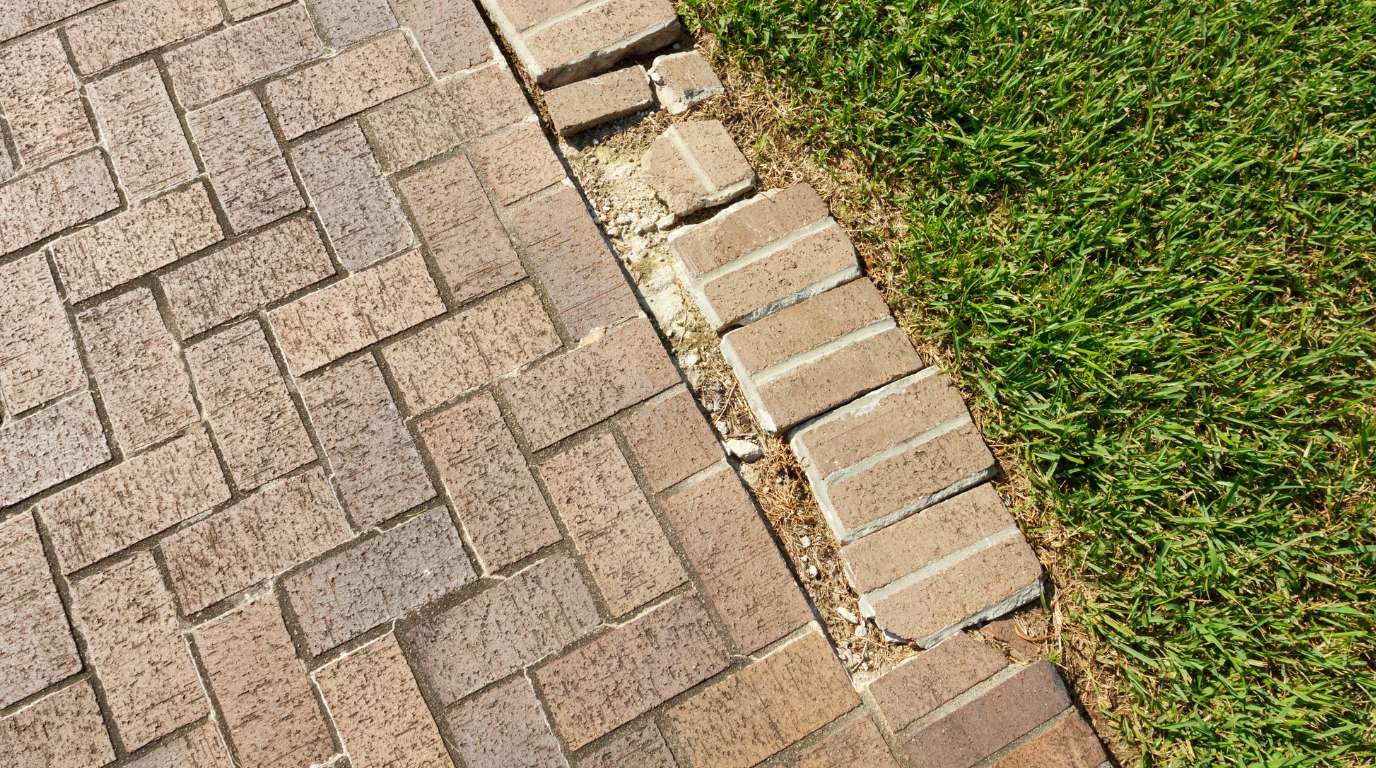
Outdoor masonry surfaces should feel solid underfoot. When steps rock, pavers shift, or a brick walkway becomes uneven, it is often a sign of base failure, water erosion, or settling below the surface.
Besides hurting curb appeal, these problems create tripping hazards and allow more water to collect where it should not. Repairing the affected area early can prevent a larger rebuild later.
6. Brick Faces Are Flaking, Chipping, or Breaking Apart
When the face of a brick starts to peel or pop off, the condition is called spalling. This usually happens after water gets into the brick and expands during cold weather. Once the outer layer is compromised, the brick deteriorates faster and faster.
Spalling is common on chimneys, steps, retaining walls, and older exterior surfaces. Replacing damaged units and correcting the moisture issue is the best way to stop the cycle.
7. Chimneys, Caps, and Masonry Details Show Visible Damage
Chimneys often show masonry problems earlier than other parts of the home because they are exposed on all sides. Cracked crown caps, loose bricks, missing mortar, and leaning stacks are all warning signs that should be inspected promptly.
The same is true for stone columns, retaining walls, entry steps, and decorative masonry details. Small failures in these areas rarely stay small for long.
Do Not Wait Until the Repair Gets More Expensive
Masonry problems usually start small, but they almost always get worse when moisture and movement are involved. The earlier you repair cracks, failing mortar, and unstable surfaces, the more options you have and the less invasive the fix tends to be.
If you have noticed any of these warning signs around your home, Lopez Chavarria Construction is ready to help. Contact us today to schedule a consultation and get expert masonry repair solutions that protect your home’s safety, beauty, and value.


No comment